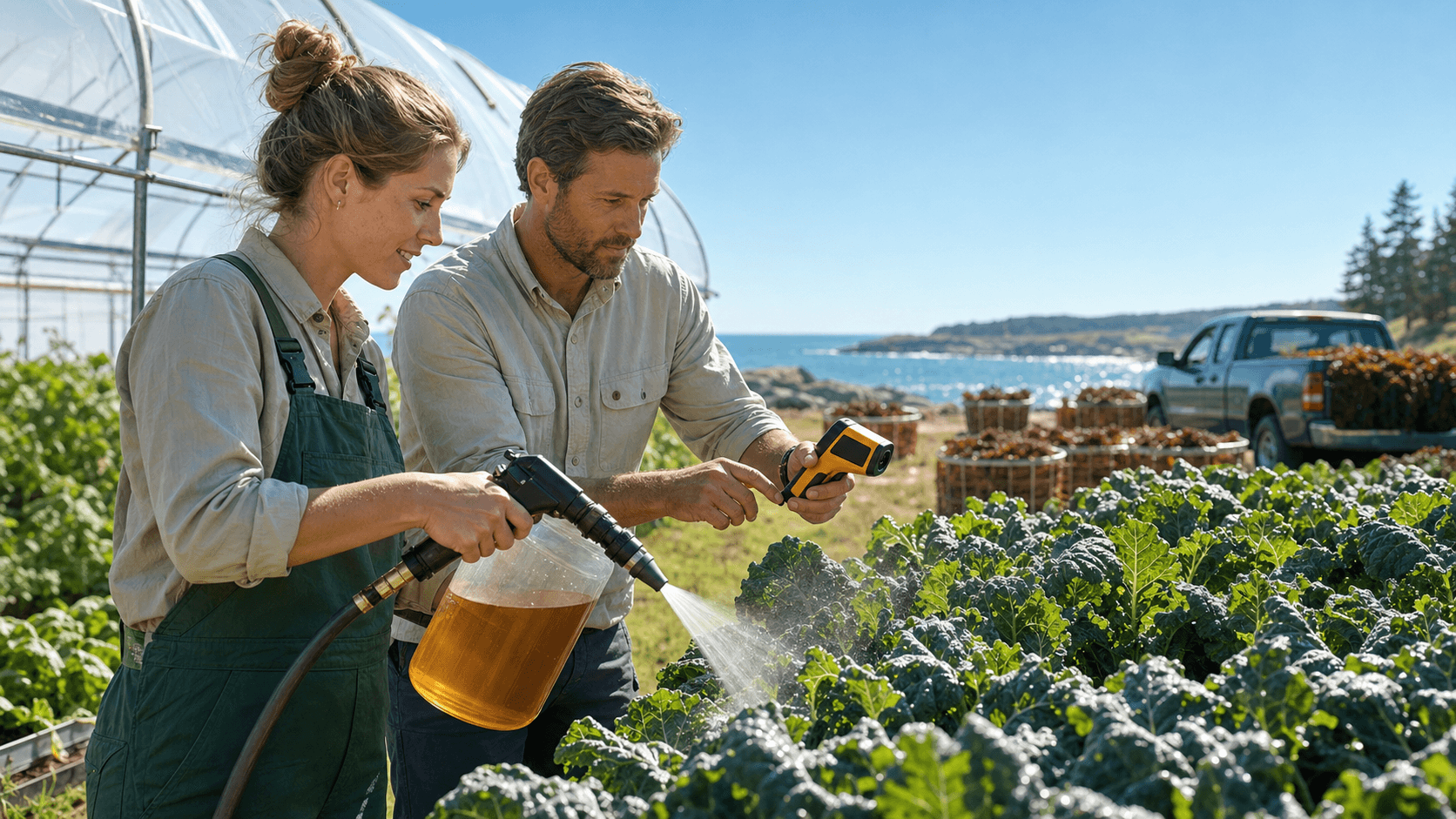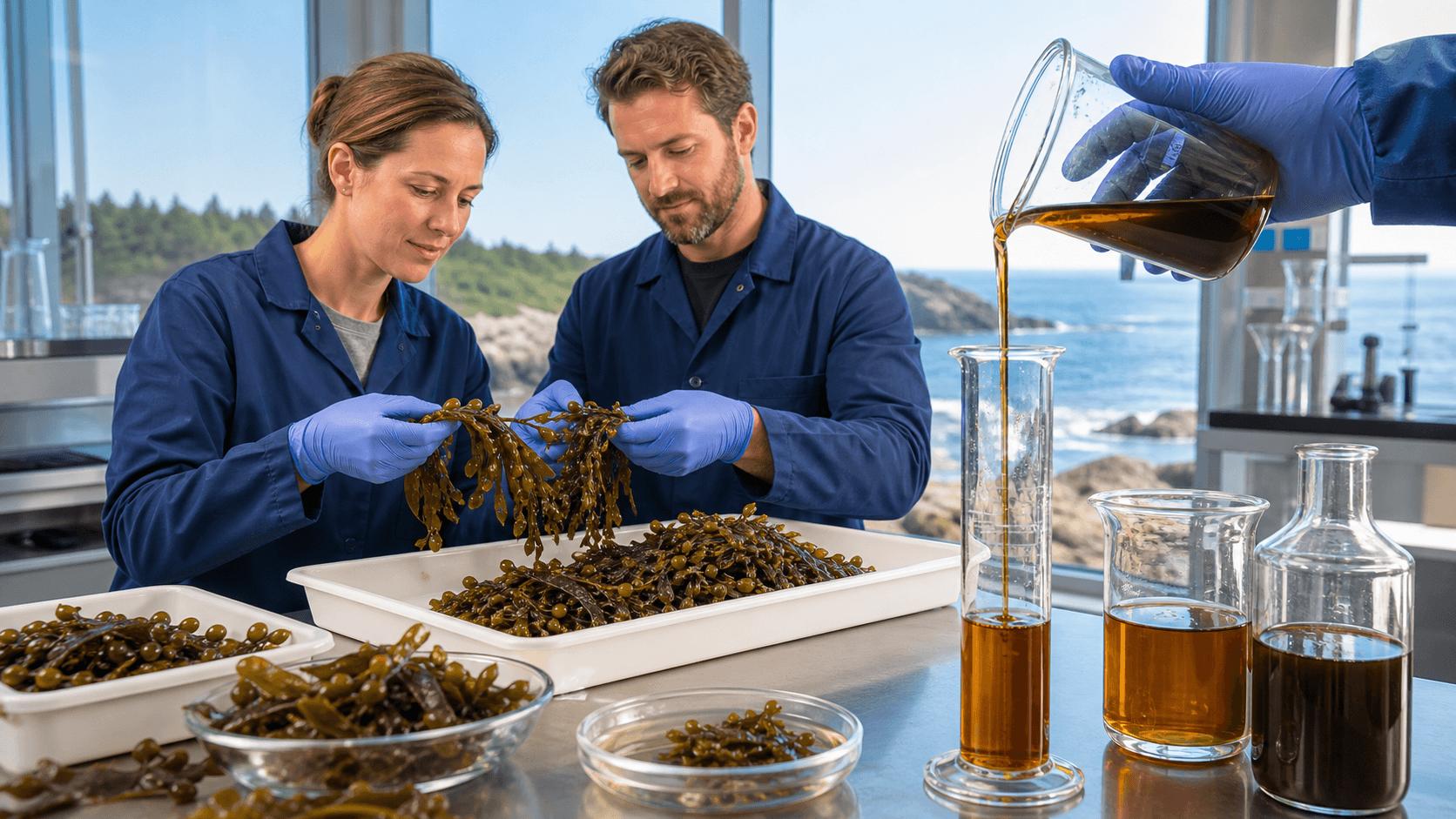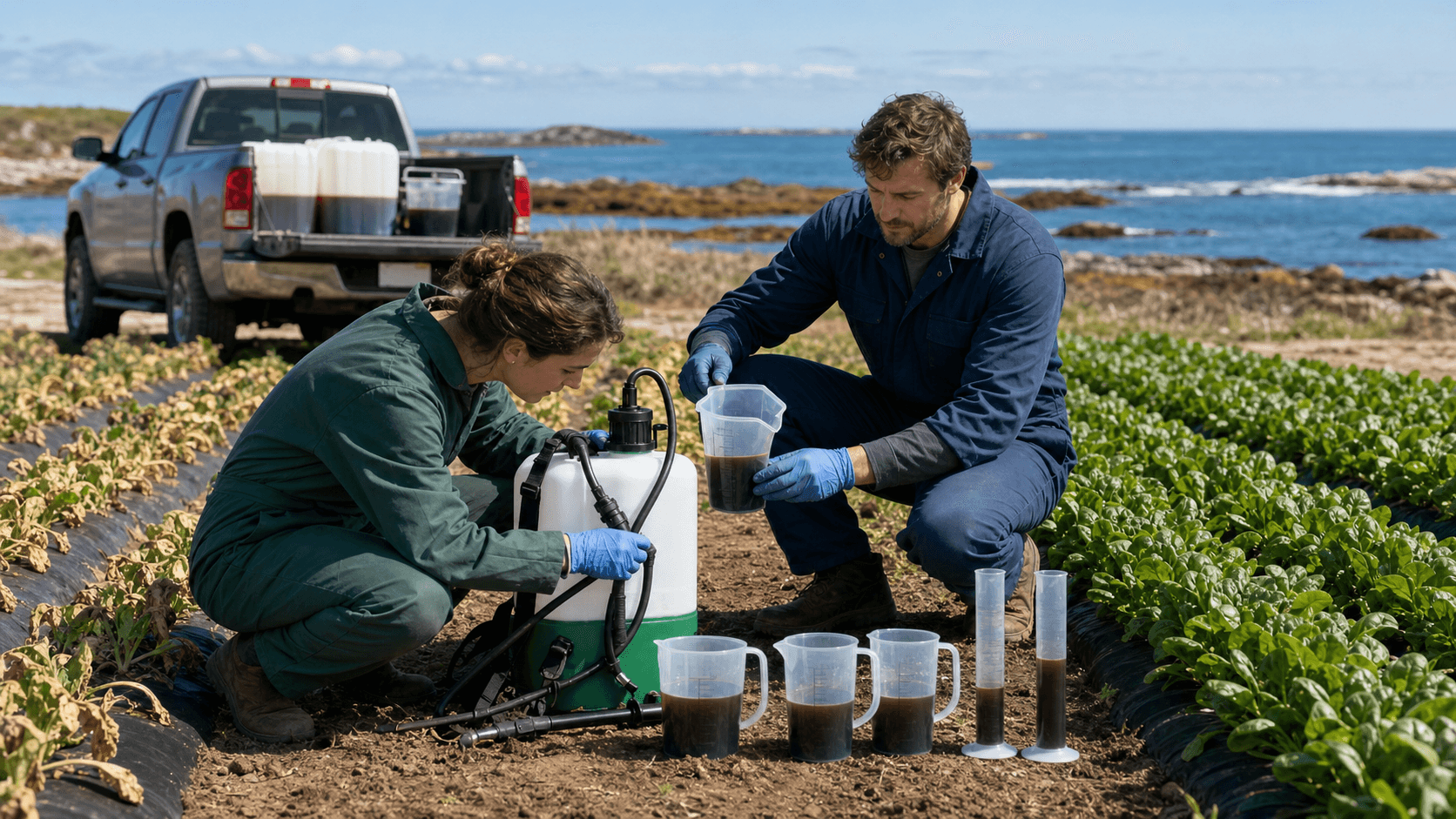
The growing season is when small details add up to big results. One of those details is the seaweed fertilizer you use. Many growers start with a basic product, then hit a wall when turf, crops, or gardens face heat and stress. At that point, upgrading from an entry-level option to a premium liquid seaweed can make a clear difference in how plants look and perform.
Here we are going to look at what matters when you are ready for a Maxicrop alternative. We will talk about what seaweed fertilizers actually do, what to check on the label, why the type of seaweed and where it grows matter, and how to tell if a product is really helping your field, lawn, or beds as late spring slides into summer.
Upgrade Your Seaweed Fertilizer, Upgrade Your Results
Seaweed fertilizer is not magic, but it often feels close when it is done right. It supports:
- Stronger root systems
- Better stress tolerance in heat and drought
- Improved nutrient uptake from your regular fertilizer
- Better quality in turf, fruit, and vegetables
When you shift from a basic seaweed to a professional-grade product, you are not just feeding plants. You are helping them build a buffer before summer stress hits. Late spring and early summer are when roots are still active, new growth is pushing, and plants can respond fast. That is the perfect window to get more from every feeding.
Why Growers Are Looking Beyond Maxicrop
Many of us started with an entry-level seaweed fertilizer because it was easy to find and simple to use. It can work fine for small home gardens or light feeding. At that level, just having any seaweed in the mix often feels like a step up from no seaweed at all.
But as needs grow, so do expectations. Growers are asking for:
- Higher concentration of actual seaweed extract
- Consistent performance from jug to jug
- Easy mixing in spray tanks and fertigation systems
- Support for plants facing heat, drought, and even salty irrigation water
Here is the key point: not all seaweed fertilizers are the same. Different seaweed species, harvest locations, extraction methods, and formulas can give very different results. When you are comparing a Maxicrop alternative, those details are what separate a simple tonic from a true professional tool.
The Power of Ascophyllum Nodosum From Cold Waters
Species matters a lot. Ascophyllum nodosum is the gold standard for premium seaweed fertilizer. This brown seaweed naturally carries plant-friendly compounds like cytokinins and auxins that support cell division, root growth, and recovery from stress.
Cold North Atlantic waters, like we have along the Maine coast, shape this seaweed in a special way. The plants grow slowly in a harsh, changing environment. That helps create a dense profile of nutrients and bioactive compounds. For turf and crops, that can translate into:
- Deeper, more fibrous roots
- Better tillering in grass and turf
- Stronger flowering and fruit set
During late spring and early summer, this really matters. Plants treated with high-quality Ascophyllum nodosum are better prepared before temperatures climb, irrigation gets stretched, and traffic on lawns or fields ramps up.
Key Ingredients of a True Maxicrop Alternative
When you look at a label and try to judge if a seaweed is truly premium, a few key points stand out.
Concentration and purity: You want to see a clear focus on actual seaweed extract, not just wording like “derived from seaweed” mixed with lots of filler. Watch for products that skip unnecessary dyes, heavy perfumes, or extra synthetic additives that do not help plant performance.
Extraction and processing: Gentle, controlled processing helps keep the natural compounds in seaweed active. Harsh chemicals or high heat can damage those compounds and blunt the benefits. While many labels will not spell out every step, you can often find clues in how the product is described and how it behaves in the tank.
Compatibility and versatility: A good liquid seaweed fertilizer should:
- Mix cleanly in most spray tanks
- Fit into standard NPK programs without causing sludge or clogs
- Work across turf, agriculture, and home garden settings
That kind of flexibility lets you use one trusted product across greens, fields, and beds.
Sustainable Harvesting and Traceable Sourcing
Seaweed fertilizers start in the ocean, not in a factory. How and where that seaweed is harvested matters both for the environment and for your results.
Responsible wild harvesting helps protect coastal ecosystems for the long term. It also supports a steady, predictable supply of raw material. When you look for a premium seaweed product, it helps to see signs that the company cares about:
- Harvest limits and careful cutting
- Rotational harvest areas so beds can recover
- Local oversight of wild harvests
- Clear information on the source region
Healthy, well-managed beds of Ascophyllum nodosum tend to produce more uniform seaweed. That can lead to a more consistent extract and, in turn, more reliable performance on your fields and lawns, season after season.
Evaluating Performance Claims and Real-World Results
Labels and marketing can say a lot. Your plants tell the real story. If you are testing a Maxicrop alternative, focus on changes you can see across the growing season.
Some helpful indicators include:
- Root mass and rooting depth
- Color and density in turf
- Speed of recovery after heat or drought
- Strength of flowering and fruit set
- Overall crop or turf uniformity
A simple side-by-side trial can teach you a lot. Use your current seaweed or no seaweed on one part, and the new product on another. Keep everything else the same. Apply on a steady schedule in late spring and early summer, then take notes. Even small differences in stress recovery or color can point to big gains over time.
How BioXtreme Fits Into a Professional Program
We built BioXtreme around what serious growers were asking for in a Maxicrop alternative. Our liquid seaweed fertilizer is centered on Ascophyllum nodosum from the cold North Atlantic, harvested from Maine waters with care for local ecosystems.
Our focus is on professional-grade concentration and clean, flexible formulas that work for:
- Turf managers caring for high-traffic lawns and sports fields
- Commercial growers aiming for strong yields and quality
- Home growers who want pro-level tools for their gardens
In late spring and early summer, BioXtreme works as a support partner to your main fertility program. It can help buffer plants during overseeding, transplanting, and pre-summer conditioning, so they are better prepared when hot, dry, or stressful weather arrives.
Unlock Healthier Growth With A Proven Maxicrop Alternative
If you are ready to move beyond seaweed products that no longer meet your standards, explore our carefully developed Maxicrop alternative designed for serious growers. At BioXtreme, we formulate inputs to help you drive stronger roots, better resilience, and more consistent yields. If you have questions about fit, application rates, or compatibility with your current program, contact us so we can help you dial in exactly what your crops need.